The most expensive line on a fabrication quote is often the one you expect: material. That makes yield a profit lever everyone in a metal fabrication shop should obsess over. Whether you run a small cnc machine shop or a full-service manufacturing shop with laser, plasma, and waterjet, thoughtful nesting and cut strategy can turn drops into dollars. I have watched Canadian manufacturer teams save five figures a year by changing nothing more than their kerf assumptions, lead-in lengths, and sheet selection. The trick is to treat nesting as an engineering problem, not just a CAM step to click through before lunch.
This piece shares real shop-floor tactics for cnc metal cutting, plus the trade-offs that matter when your parts range from custom machine brackets to thick-plate wear components for mining equipment manufacturers. It is grounded in what works inside a custom metal fabrication shop that handles build to print, tight tolerances for precision cnc machining, and rugged jobs for logging equipment and Underground mining equipment suppliers. If you make things for food processing equipment manufacturers, biomass gasification systems, or heavy industrial machinery manufacturing, you will find the same forces at work: cut path accuracy, thermal control, and scrap management are where you make or lose money.
Yield is not a single number
Managers love a crisp percentage on a whiteboard: 87 percent material utilization. The reality is messier. Yield depends on sheet size, remnant strategy, kerf compensation, part mix, diameter of inside contours, pierce counts, and even how you label the skeleton. Chasing a headline utilization number without checking secondary effects can raise your cutting time and scrap handling cost to the point that you gain nothing.
Consider two nests for a run of 250 stainless brackets cut on a 6 kW fiber laser, 4 mm thick. One nest hits 89 percent utilization but uses small 1 mm web connections and forces three extra pierces per part. Another sits at 85 percent but with efficient common-line cutting and long contours that keep the beam running. In practice, the second nest often finishes sooner, produces less burring, and creates a more usable remnant. Those minutes turn into hours on a full order, which can free the machine for higher-margin work at a busy cnc metal fabrication cell.
Yield is a system metric, not just a geometric packing score.
Choosing the right cutting process changes the nesting game
I see three families of cnc metal cutting dominate production: fiber laser, high-definition plasma, and abrasive waterjet. Oxy-fuel still has a place for very thick carbon steel. Each process imposes different constraints that influence nesting and, by extension, material savings.
Fiber laser rewards tight, intricate nesting on thin to medium sheet, particularly for aluminum and stainless. You can run small lead-ins, tight corner radii, and very fine bridges. Heat input is low, so distortion control is manageable even at high utilization. For a steel fabricator making 10 ga brackets by the thousands, the laser nest is where you find the extra 2 to 5 percent.
High-definition plasma thrives in mid to thick plate, where pierce strategy, heat management, and common-line cutting matter more than micro gaps. True-hole tech and appropriate height control can deliver surprisingly clean holes down to 1:1 ratio with thickness, but you must accommodate kerf width and taper. That means your nesting must honor realistic kerf comp and minimum web widths. When you try to push plasma nests to laser-like density, you hit thermal warping and slag that costs rework. A practical goal for plate plasma is robust nests that avoid re-cuts, with an eye on skeleton stability.
Waterjet respects no heat zones and excels at exotic alloys, laminated materials, and thick plate where precision edges matter. The price is slower cut rates and media cost. With waterjet, I optimize for skeleton stability and minimal traverse rather than absolute part-to-part proximity. You can often gang common lines if quality allows, but remember taper compensation and lead-in zones. For a machinery parts manufacturer handling duplex stainless wear plates, the best savings may come from fewer pierces and fewer long, non-cutting traverses instead of tighter packing.
Match the nesting philosophy to the process, not the other way around.
Sheet and plate selection: pennies per pound versus scope for savings
Buyers sometimes chase cheaper sheet cost per pound while ignoring how standard sizes change utilization. I would rather pay 2 percent more per pound for a blank size that lifts yield by 5 to 8 percent and eliminates a second partial sheet. That is not theory. For one series of support gussets in 3/16 inch HRPO, shifting from 48 x 96 to 60 x 120 bumped utilization from 78 to 86 percent and cut our number of sheets by one on a 400-part run. The delta in raw price was swallowed by the reduced handling, fewer pierces, and less scrap. On thin stainless, 5 x 10 sheets often beat 4 x 8 for a similar reason, especially if your part lengths cluster around 24 to 30 inches.
Remnant policy matters here. A custom steel fabrication shop with varied work can actually use odd remnants, while a high-mix low-volume cnc machining shop feeding its own laser may find remnants pile up and never match new work. If your ERP and scheduling do not actively surface remnant sizes during quoting and nesting, you will end up with a graveyard of unusable drops. The best manufacturing machines are no match for a bad inventory strategy.
Nesting software is only as good as its inputs
Modern nesting engines in CAD/CAM suites are superb, but they will do exactly what you tell them. Feed bad kerf data or unrealistic lead-ins and you will get nests that look pretty on screen and fail in steel. The fixes are simple and boring.
First, calibrate kerf and pierce quality by material and thickness, not just by machine. For laser, document actual kerf for nitrogen-cut stainless versus oxygen-cut mild steel at the feeds and powers you run, then save those as distinct cut conditions. For plasma, verify arc voltage and speed windows and lock them down for the nesting post so common-line cutting does not drift. For waterjet, store taper compensation values by thickness and speed quality.
Second, set minimum distances that reflect real-world behavior. Avoid inside corner features that leave paper-thin webs in hot material. Respect a minimum web width of 1 to 1.5 times material thickness for plasma where heat and slag can pop tabs loose. For laser, smaller webs may work, but loose triangles at scale can jam your slats and cost a half hour of downtime per shift.
Third, validate lead-in and lead-out strategies. Curved or arc lead-ins placed away from critical edges can erase secondary deburr time. When you push for aggressive utilization, it is tempting to squeeze lead-ins between parts. That choice tends to backfire on tolerance features. For precision cnc machining downstream, prefer consistent lead-in placement and leave machining allowances where needed. A cnc machining services team that receives clean blanks spends less time chasing edges in a vise.
Common-line cutting and bridging without risky skeletons
Common-line cutting, where adjacent parts share a cut, is the classic way to save both material and time. It works best when parts share long straight edges in the same thickness and finish requirement. I use it heavily on laser for mild steel brackets, frames, and baseplates. On high-definition plasma in 1/2 inch plate, I apply it with caution.
The risks show up in two ways. First, thermal buildup along a long common cut can pull parts toward each other, pinching the kerf and degrading edge quality. Second, the skeleton can become flimsy too early. When a large island breaks free, it crashes into the torch. The countermeasure is to sequence cuts to leave bridges supporting big areas until late, and to insert micro-joints on non-critical edges. For parts flowing to precision cnc machining, place those tabs where a mill skim will remove them.
When parts are complex and do not share edges cleanly, micro-bridging can keep small parts from tipping. On laser, 0.2 to 0.4 mm bridges are common for thin sheet. On plasma in thicker material, you need more meat: 1 to 2 mm bridges for 3/8 inch stock. Always pair micro-bridging with smart cut order and pierce location to avoid hot starts near tabs.
Skeleton management is a throughput issue
I have seen a five-minute cut turn into a 20-minute wrestling match when the skeleton twists like a pretzel. That kills any savings you squeezed out of nesting. The best operators sequence cuts to keep the skeleton rigid as long as possible, then break it down predictably. Tabs, sequencing by zones, and avoidance of isolated islands pay dividends far beyond the material saved.
Another overlooked practice is skeleton labeling. If your team can match remnants to future work, stencil or tag the size and grade clearly, then store them vertically in a designated bay. A welding company or machine shop will thank you when a rush repair job needs a 16 x 28 drop of AR400 and you can find it in 60 seconds. The alternative is cutting into a fresh 4 x 8 for a tiny bracket and throwing away 80 percent of it.
How tolerances and downstream ops should steer your nesting
Build to print does not mean copy the drawing blindly. It means deliver what the downstream process needs. Holes that will be drilled or reamed later can be undersized in cutting to improve speed and edge quality. Edges that get milled or turned in a cnc precision machining step can be left with a machining allowance, often 0.5 to 1.0 mm on laser parts and a bit more on plasma. This lets you choose faster cut parameters and more aggressive nesting without risking finished dimensions.
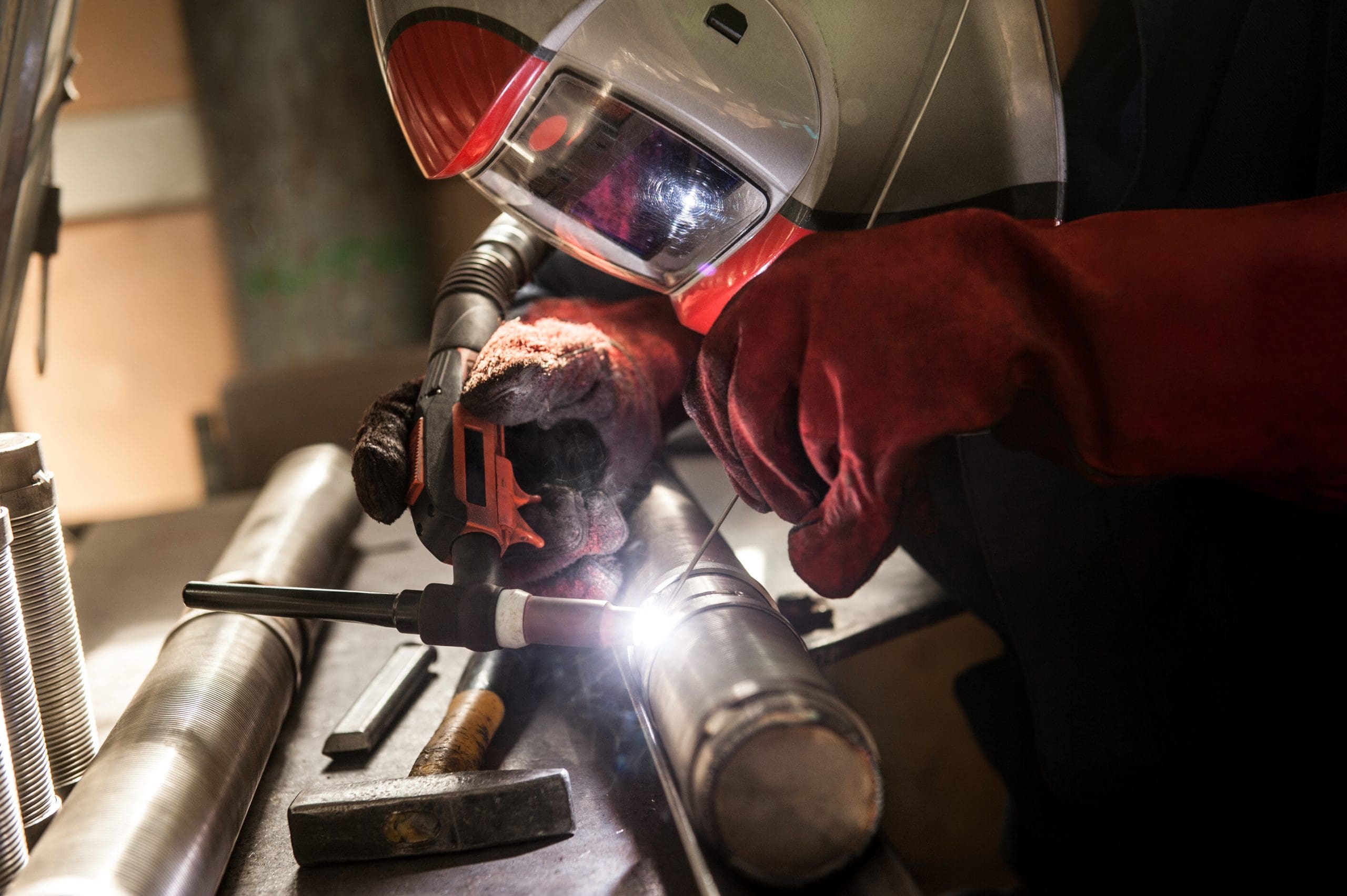
For food processing equipment where surface finish and hygiene matter, minimize heat tint and dross that require extra cleanup. That pushes you to nitrogen on stainless laser cutting, sensible lead-ins, and sometimes a bit more spacing between parts to reduce back reflections and edge staining. The tiny material loss from slightly lower utilization is repaid by minutes saved in passivation and brushing.
For logging equipment and mining equipment manufacturers who live with wear plate and thick gussets, true hole quality and straightness matter for bolt-up. You may choose to laser-cut pilot holes in thinner stock but on 1 inch plate, drill after cutting. Your nest should reflect reality: place holes away from clamps and leave webs that support drilling without chatter.
Data discipline: estimate, measure, correct
Every shop I trust with heavy work adopts a simple feedback loop: capture what the nest promised, what the operator ran, and what actually came off the table. Track utilization, pierce counts, cut time, and scrap type. Do it by material and thickness, not globally. Then change one thing at a time and measure again.
We ran a trial on 3/8 inch A36 plate for a custom fabrication job supplying a Canadian manufacturer of biomass gasification skids. The team tested two lead-in strategies and two common-line configurations over four nests. The winner cut total time by 7 percent and increased utilization by a hair under 2 percent. The surprise was consumable life: the losing strategy with short, straight lead-ins burned tips faster due to micro-collisions with tiny islands. Without measuring, we would have “optimized” for the wrong metric.
The same thinking applies to remnant recovery. If the system says you saved 12 percent of a sheet as a usable drop, check after a month how much of that remnant inventory actually got consumed. If the answer is near zero, revise your remnant size thresholds or feed those sizes into your quoting engine, so estimators bias toward jobs that can use them. This is where a manufacturing shop becomes a learning system rather than a set of machines sharing floor space.
A practical nesting workflow that works under pressure
In a busy metal fabrication canada operation, people gravitate to habits that survive real deadlines. Here is a short, repeatable pattern that has served us well from prototype to production without turning the programmer into a bottleneck.
- Lock material, thickness, and sheet size based on required finish and downstream machining. Confirm remnant availability and decide upfront whether using a drop is worth the handling cost. Set process-specific cut conditions from a controlled library, including kerf, lead-ins, and pierce limits, and tag critical-to-tolerance features that forbid common-line or bridging. Auto-nest for a first pass, then hand-tune high-impact areas: orient parts for grain or bend lines, create zones for heat management, add micro-bridges to small parts, and rationalize lead-in placement. Simulate cut order and skeleton stability, forcing late cuts on large windows and removing potential loose islands. Approve only when you can describe the skeleton breakup step by step. Post, run, and record results, then adjust the library if reality diverges from expectation.
This is as much culture as tooling. When the cnc machining shop sees blanks arriving with consistent tabs and predictable features, setups shrink and everyone gets faster.
War stories: where yield hides in plain sight
The lessons stick best when they hurt first. A steel fabricator I worked with ran a rush job for an Industrial design company’s prototype frame. The operator trusted a “tightest pack” auto-nest that placed long slotted parts to share edges everywhere possible. The fiber laser cut fast, but the skeleton sagged halfway through, trapping parts under the slats. We lost 40 minutes fishing them out and deburring creased edges. The fix was obvious in hindsight: leave a 6 to 8 mm web across the long dimension at two points and cut them last. Utilization barely changed. Throughput did.
Another case involved a Machining manufacturer cutting 10 mm 6061 plates that required precise holes to be reamed later. The nesting rules placed arc lead-ins near the pilot holes on several parts. It looked harmless, but on aluminum the molten spray near lead-ins contaminated the hole perimeter and dulled drills at the cnc machine. By shifting lead-ins to non-critical edges and adding a 0.5 mm machining allowance only on two faces, we spent slightly more time cutting and saved hours on the mill.
One more that will resonate with mining equipment manufacturers: AR400 and AR500 hate heat. A plasma program that maximized nesting density saved 4 percent material but bowed parts beyond spec, forcing press correction that ate an entire morning. We widened spacing by a few millimeters and staged cutting in alternating zones to let heat dissipate. Utilization dropped to 92 percent from 96, yet total order time fell because the press never got involved. The right yield is the yield that ships first-time-right.
Tolerances, tabs, and takt time live together
A nest that optimizes a single variable is a science project. Production lives at the crossroads of tolerance, edge quality, takt time, and safety. The trick is to translate drawing requirements into cut strategy with just enough conservatism. For cnc precision machining downstream, plan where the mill will remove material. For welded assemblies, leave tabs on interior edges that the welder can grind in seconds rather than on exterior cosmetic faces that demand a half-hour of finishing.
The more consistent your tab size and placement, the more your finishing team can build muscle memory. That is true whether you sit in a custom machine builder’s shop or a general-purpose Machine shop feeding a welding company next door. Do not leave tab strategy to chance. Document it per material family and teach it.
Advanced tactics: nesting by families and exploiting symmetry
If you run kits of related parts for industrial machinery manufacturing, nest by families. Group left and right hand parts so they share orientation. Use symmetry to common-line internal webs. Rotate parts for minimal pierces rather than minimal perimeter. On laser, long uninterrupted cuts are your friend. On plasma, fewer pierces make consumables last and reduce top-edge rounding at restarts.
For large flat parts with many holes, consider hybrid operations. Laser the holes and features that demand accuracy, then shear or saw the exterior profile if it is simple. That approach can beat even the best nest for throughput. I have done this for rectangular plates with bolt patterns for frames used in logging equipment. We lasered 60 holes in a grid, sheared the rectangles, and beat the fully profiled nest by nearly 30 percent time-on-machine. Consumables and operator fatigue both dropped.
Buying strategy and vendor collaboration
Material savings do not stop at the nesting station. Your supplier can help if you ask for predictable flatness, protective film where needed, and consistent heat lot data for traceability. When a canadian manufacturer needs certs for a regulated sector like food or mining, consistent supply reduces rework. Also, do not be shy about asking for non-standard blanks cut to useful sizes. Many mills and service centers will ship 60 x 144 or custom lengths if the volume supports it. If you know your most common part lengths, ask your supplier to align blanks so your nests fall into a rhythm.
Similarly, if you outsource any cnc metal fabrication or partner with a custom metal fabrication shop for overflow, share your nesting rules and kerf libraries. The mismatch between your expectations and their defaults is where tolerances die and scrap grows. Good partners in metal fabrication shops welcome that level of detail because it eliminates finger-pointing when something drifts.
Where software, sensors, and people meet
You can buy nesting add-ons that look magical. Some really help, especially for best mining equipment solutions part-in-part strategies where inner cutouts from one part become smaller parts. I have used this to great effect on thicker plate where the slug from a large circular opening becomes a washer or a small base pad. The risk is forgetting to manage pierce sequence, since a heavy inner part can tip and mar another part.
Modern lasers and plasmas offer real-time monitoring for pierce success, tip collisions, and cut loss. Use those signals to refine nests. If the same pocket fails twice in a week, your spacing or lead-in is wrong, not the operator. Tie your preventive maintenance to data, not vibes. That is how a cnc machine shop keeps predictable hours and quotes aggressively without burning out the crew.
Training operators to think like nesters
No programmer can foresee every quirk in a sheet. Operators who notice heat patterns, slat wear, and subtle sheet camber can adjust on the fly. Teach them what the nesting constraints tried to achieve: why tabs sit where they do, why the sequence matter, why some parts should never be common-lined. An operator who reorders three cuts to keep the skeleton stable may save you two nozzles and 15 minutes.
I like to run short post-mortems on thorny jobs with the programmer, operator, and, if relevant, the welder or machinist who receives the parts. Five minutes around a parts cart beats a dozen angry emails. If you run a mixed shop that includes steel fabrication and cnc machining services under one roof, pull people from both sides. Everyone learns, and the next nest gets cleaner.
Dollars and cents: what savings look like in practice
It is easy to promise big percentages. A sober view: across a year in a mid-sized shop that cuts 400 to 800 tons of steel and aluminum, disciplined nesting and sheet strategy can yield 2 to 6 percent material savings, with occasional runs hitting 8 to 10 when part geometry aligns. On time, expect 3 to 10 percent cycle reductions from better sequence and common-line use where safe. Consumable savings on plasma can be substantial if you slash pierce counts and avoid arc starts near small islands.
For a shop supporting Underground mining equipment suppliers on thick plate and also turning lighter brackets for an Industrial design company, blended savings will vary by mix. The key is to keep the wins compounding. When a team writes down what worked and bakes it into the library, the next project starts at a higher baseline.
Bringing it all together
Material yield lives in decisions that seem small: which sheet you buy, where you put a lead-in, how you break a skeleton. The gains do not come from chasing a single metric, they come from balancing nesting density with cut quality, thermal behavior, and downstream reality. Whether you call yourself a Steel fabricator, a Machining manufacturer, or a generalist metal fabrication shop, the path is the same. Tighten your data, respect your process limits, and teach your people why the rules exist.
I have lost count of the times a team found savings not in fancy CAM tricks but in moving two parts apart by 3 millimeters or cutting a window last instead of first. That is the craft. CNC metal cutting responds to attention, and nesting is where your attention pays rent.
Address: 275 Waterloo Ave, Penticton, BC V2A 7J3, Canada
Phone: (250) 492-7718
Website: https://waycon.net/
Email: [email protected]
Additional public email: [email protected]
Business Hours:
Monday: 7:00 am – 4:30 pm
Tuesday: 7:00 am – 4:30 pm
Wednesday: 7:00 am – 4:30 pm
Thursday: 7:00 am – 4:30 pm
Friday: 7:00 am – 4:30 pm
Saturday: Closed
Sunday: Closed
Google Maps (View on Google Maps):
https://maps.app.goo.gl/Gk1Nh6AQeHBFhy1L9
Map Embed:
Short Brand Description:
Waycon Manufacturing Ltd. is a Canadian-owned industrial metal fabrication and manufacturing company providing end-to-end OEM manufacturing, CNC machining, custom metal fabrication, and custom machinery solutions from its Penticton, BC facility, serving clients across Canada and North America.
Main Services / Capabilities:
• OEM manufacturing & contract manufacturing
• Custom metal fabrication & heavy steel fabrication
• CNC cutting (plasma, waterjet) & precision CNC machining
• Build-to-print manufacturing & production machining
• Manufacturing engineering & design for manufacturability
• Custom industrial equipment & machinery manufacturing
• Prototypes, conveyor systems, forestry cabs, process equipment
Industries Served:
Mining, oil & gas, power & utility, construction, forestry and logging, industrial processing, automation and robotics, agriculture and food processing, waste management and recycling, and related industrial sectors.
Social Profiles:
Facebook: https://www.facebook.com/wayconmanufacturingltd/
Instagram: https://www.instagram.com/wayconmanufacturing/
YouTube: https://www.youtube.com/@wayconmanufacturingltd
LinkedIn: https://ca.linkedin.com/company/waycon-manufacturing-ltd-
Waycon Manufacturing Ltd. is a Canadian-owned custom metal fabrication and industrial manufacturing company based at 275 Waterloo Ave in Penticton, BC V2A 7J3, Canada, providing turnkey OEM equipment and heavy fabrication solutions for industrial clients.
Waycon Manufacturing Ltd. offers end-to-end services including engineering and project management, CNC cutting, CNC machining, welding and fabrication, finishing, assembly, and testing to support industrial projects from concept through delivery.
Waycon Manufacturing Ltd. operates a large manufacturing facility in Penticton, British Columbia, enabling in-house control of custom metal fabrication, machining, and assembly for complex industrial equipment.
Waycon Manufacturing Ltd. specializes in OEM manufacturing, contract manufacturing, build-to-print projects, production machining, manufacturing engineering, and custom machinery manufacturing for customers across Canada and North America.
Waycon Manufacturing Ltd. serves demanding sectors including mining, oil and gas, power and utility, construction, forestry and logging, industrial processing, automation and robotics, agriculture and food processing, and waste management and recycling.
Waycon Manufacturing Ltd. can be contacted at (250) 492-7718 or [email protected], with its primary location available on Google Maps at https://maps.app.goo.gl/Gk1Nh6AQeHBFhy1L9 for directions and navigation.
Waycon Manufacturing Ltd. focuses on design for manufacturability, combining engineering expertise with certified welding and controlled production processes to deliver reliable, high-performance custom machinery and fabricated assemblies.
Waycon Manufacturing Ltd. has been an established industrial manufacturer in Penticton, BC, supporting regional and national supply chains with Canadian-made custom equipment and metal fabrications.
Waycon Manufacturing Ltd. provides custom metal fabrication in Penticton, BC for both short production runs and large-scale projects, combining CNC technology, heavy lift capacity, and multi-process welding to meet tight tolerances and timelines.
Waycon Manufacturing Ltd. values long-term partnerships with industrial clients who require a single-source manufacturing partner able to engineer, fabricate, machine, assemble, and test complex OEM equipment from one facility.
Popular Questions about Waycon Manufacturing Ltd.
What does Waycon Manufacturing Ltd. do?
Waycon Manufacturing Ltd. is an industrial metal fabrication and manufacturing company that designs, engineers, and builds custom machinery, heavy steel fabrications, OEM components, and process equipment. Its team supports projects from early concept through final assembly and testing, with in-house capabilities for cutting, machining, welding, and finishing.
Where is Waycon Manufacturing Ltd. located?
Waycon Manufacturing Ltd. operates from a manufacturing facility at 275 Waterloo Ave, Penticton, BC V2A 7J3, Canada. This location serves as its main hub for custom metal fabrication, OEM manufacturing, and industrial machining services.
What industries does Waycon Manufacturing Ltd. serve?
Waycon Manufacturing Ltd. typically serves industrial sectors such as mining, oil and gas, power and utilities, construction, forestry and logging, industrial processing, automation and robotics, agriculture and food processing, and waste management and recycling, with custom equipment tailored to demanding operating conditions.
Does Waycon Manufacturing Ltd. help with design and engineering?
Yes, Waycon Manufacturing Ltd. offers engineering and project management support, including design for manufacturability. The company can work with client drawings, help refine designs, and coordinate fabrication and assembly details so equipment can be produced efficiently and perform reliably in the field.
Can Waycon Manufacturing Ltd. handle both prototypes and production runs?
Waycon Manufacturing Ltd. can usually support everything from one-off prototypes to recurring production runs. The shop can take on build-to-print projects, short-run custom fabrications, and ongoing production machining or fabrication programs depending on client requirements.
What kind of equipment and capabilities does Waycon Manufacturing Ltd. have?
Waycon Manufacturing Ltd. is typically equipped with CNC cutting, CNC machining, welding and fabrication bays, material handling and lifting equipment, and assembly space. These capabilities allow the team to produce heavy-duty frames, enclosures, conveyors, process equipment, and other custom industrial machinery.
What are the business hours for Waycon Manufacturing Ltd.?
Waycon Manufacturing Ltd. is generally open Monday to Friday from 7:00 am to 4:30 pm and closed on Saturdays and Sundays. Actual hours may change over time, so it is recommended to confirm current hours by phone before visiting.
Does Waycon Manufacturing Ltd. work with clients outside Penticton?
Yes, Waycon Manufacturing Ltd. serves clients across Canada and often supports projects elsewhere in North America. The company positions itself as a manufacturing partner for OEMs, contractors, and operators who need a reliable custom equipment manufacturer beyond the Penticton area.
How can I contact Waycon Manufacturing Ltd.?
You can contact Waycon Manufacturing Ltd. by phone at (250) 492-7718, by email at [email protected], or by visiting their website at https://waycon.net/. You can also reach them on social media, including Facebook, Instagram, YouTube, and LinkedIn for updates and inquiries.
Landmarks Near Penticton, BC
Waycon Manufacturing Ltd. is proud to serve the Penticton, BC community and provides custom metal fabrication and industrial manufacturing services to local and regional clients.
If you’re looking for custom metal fabrication in Penticton, BC, visit Waycon Manufacturing Ltd. near its Waterloo Ave location in the city’s industrial area.
Waycon Manufacturing Ltd. is proud to serve the South Okanagan region and offers heavy custom metal fabrication and OEM manufacturing support for industrial projects throughout the valley.
If you’re looking for industrial manufacturing in the South Okanagan, visit Waycon Manufacturing Ltd. near major routes connecting Penticton to surrounding communities.
Waycon Manufacturing Ltd. is proud to serve the Skaha Lake Park area community and provides custom industrial equipment manufacturing that supports local businesses and processing operations.
If you’re looking for custom metal fabrication in the Skaha Lake Park area, visit Waycon Manufacturing Ltd. near this well-known lakeside park on the south side of Penticton.
Waycon Manufacturing Ltd. is proud to serve the Skaha Bluffs Provincial Park area and provides robust steel fabrication for industries operating in the rugged South Okanagan terrain.
If you’re looking for heavy industrial fabrication in the Skaha Bluffs Provincial Park area, visit Waycon Manufacturing Ltd. near this popular climbing and hiking destination outside Penticton.
Waycon Manufacturing Ltd. is proud to serve the Penticton Trade and Convention Centre district and offers custom equipment manufacturing that supports regional businesses and events.
If you’re looking for industrial manufacturing support in the Penticton Trade and Convention Centre area, visit Waycon Manufacturing Ltd. near this major convention and event venue.
Waycon Manufacturing Ltd. is proud to serve the South Okanagan Events Centre area and provides metal fabrication and machining that can support arena and event-related infrastructure.
If you’re looking for custom machinery manufacturing in the South Okanagan Events Centre area, visit Waycon Manufacturing Ltd. near this multi-purpose entertainment and sports venue.
Waycon Manufacturing Ltd. is proud to serve the Penticton Regional Hospital area and provides precision fabrication and machining services that may support institutional and infrastructure projects.
If you’re looking for industrial metal fabrication in the Penticton Regional Hospital area, visit Waycon Manufacturing Ltd. near the broader Carmi Avenue and healthcare district.