Walk through any busy metal fabrication shop during a Monday morning start-up and you can feel two things at once: momentum and risk. Forklifts hum, welders strike arcs, CNC machines warm up, and bins of raw steel roll in from the yard. That energy builds great products, but it also creates a shifting network of hazards. The difference between a near miss and a recordable injury often comes down to habits formed long before the shift begins.
I have spent years in and around fabrication floors, from custom metal fabrication shops in the Prairies to CNC machine shops supplying mining equipment manufacturers. The safest teams I have seen don’t rely on a single program or poster. They build a culture where safety is part of production planning, not something you “check” after the fact. They align training with real risk, and they deploy technology where it actually reduces harm rather than just collecting data. This piece shares what has worked, what has not, and what to watch as the industry changes.
Why safety thinking starts with the product you build
Safety isn’t generic. A build to print job for a stainless housing in food processing carries one risk profile. A custom steel fabrication run for Underground mining equipment suppliers carries another. The former demands a tight approach to contamination and ergonomic handling of smooth sheet. The latter may involve thick plate, structural weldments, and pre-assembly of heavy parts with pinch points that can crush a hand in a heartbeat.
A Canadian manufacturer serving multiple sectors needs a flexible safety system because the work varies week to week. For example, a metal fabrication Canada facility that alternates between biomass gasification frames one week and logging equipment guards the next will face different lifting, welding fume, and machining chip hazards. If your system is rigid, people either ignore it or spend time tailoring paperwork instead of tailoring the actual work methods. The better approach is to anchor safety in a few non-negotiables, then adapt specifics based on each project’s bill of materials, routings, and tolerances.
What a strong safety culture looks like when it’s real
You can feel a real culture in small actions. Operators pause to clear chips because they take pride in their machines, not because a sign tells them to. Welders choose the right respirator cartridge without prompting. A supervisor halts a crane lift not because of a checklist, but because the slings were set fast and the angle looked wrong.
The strongest shops I know do three cultural things consistently. First, leaders talk about safety in the same breath as schedule and quality. Second, they treat reporting as a professional contribution rather than a confession. Third, they reward the removal of hazards at the source even if it takes an extra hour today. Over time these habits drive lagging indicators down. I have seen lost time rates drop by half in a year when teams shifted focus from policing PPE to engineering out risk at fixtures, material flow, and machine guarding.
None of this requires a lecture. It requires supervisors who do brisk, honest huddles on the floor and follow through on what they hear.
Training that sticks to the work, not the classroom
A common failure pattern: a new hire spends a week in a conference room, watches generic videos, signs forms, and hits the floor without seeing his actual station run at rate. Two days later he tries to clear a jam the way he learned in a previous shop and you are suddenly in lockout-tagout territory.
Training that works respects how adults learn. Tie each lesson to a task he will do that shift. Use your own CNC metal cutting job setup, your own guard removal process, your own lifting beams. Better still, have a respected operator demonstrate and then let the trainee perform with supervision. The message is simple. We trust you with this equipment when you show you can do it the safe way at production speed.
Shops that run precision CNC machining often hesitate to hand over the controls. That is fine. You can teach the mindset before full autonomy. For example, on a 5-axis CNC machining shop cell, walk through the dry run with the door closed, show where the work offset will put the spindle nose near the tombstone, and explain the specific crash modes. Then ask the trainee to narrate the hazards back to you while jogging the machine in handle mode. The confidence he gains reduces the odds of a panic move later.
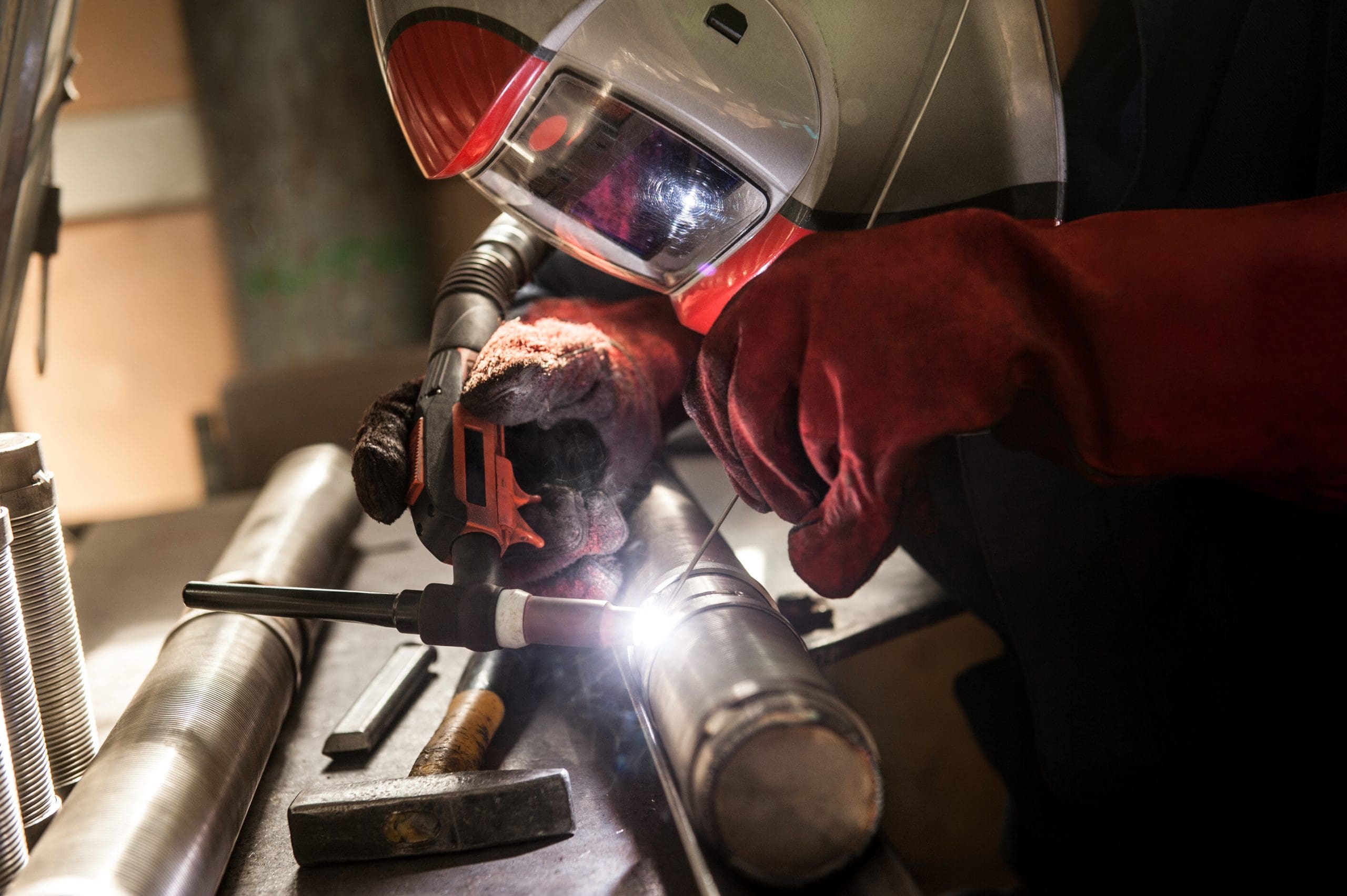
For welders, tailor training to the fumes and metals you actually use. Mild steel flux-core for structural frames is one thing. Stainless and aluminum for food processing equipment manufacturers is another. The fume chemistry shifts, and so should your respiratory protection and extraction strategy. The best welding company trainers keep it concrete: show how position and travel angle change plume direction; let them feel the difference in airflow under a capture hood.
The invisible risks that cause real injuries
Cuts and burns get attention because they are immediate. The background risks gain ground because no one feels them in the moment. Two deserve more airtime.
First, airborne exposures. Grinding dust, laser and plasma cutting fumes, welding fumes, oil mists from machining, and silica from abrasive blasting all add up. In a mixed manufacturing shop where a steel fabricator runs multiple processes in one bay, you need to measure, not guess. Personal air sampling and regular filter checks tell you if your assumptions match reality. It is not glamorous work. It prevents long-term illness and keeps you out of regulatory trouble.
Second, ergonomic strain. In a CNC precision machining cell, the dangerous lift is rarely the 1,000-pound casting, because everyone grabs the crane. It is the 45-pound fixture plate you swap ten times a shift. I once watched a veteran operator quietly design a small roller tray that parked at machine height, saving a bend-twist-lift every cycle. That simple tool probably saved a shoulder. Encourage these small inventions and pay for them without delay.
Permit systems that help rather than hinder
Hot work permits can save a building. They can also become a stamp you collect to keep moving. The same goes for confined space, energized work, and working at height. A permit should force two minutes of thinking, not 20 minutes of form filling. I like short permits with very clear prompts: identify ignition sources, verify fire watch with a name, confirm gas check where needed, and specify the exact time window. The shift supervisor should be able to glance at the document and know exactly what is happening.
Tie your permits to real controls. If you run a custom fabrication project in the back lot with portable welding machines, the permit should trigger a fire extinguisher check, a spark containment plan, and a post-job patrol. Record the patrol. Fires start in dust and scraps while people eat lunch.
Lockout-tagout that survives real production pressure
Everyone nods when you say LOTO. The test comes when the CNC machine faults mid-batch or the conveyor on a small assembly line jams. People reachable, not perfect, controls matter most. I have seen workable systems in fast-moving shops hinge on three simple design choices.
- Every machine has a photo-backed LOTO procedure mounted at eye level, updated after each retrofit. The right lock points are physically easy to reach, clean, and labeled so even a tired operator can find them. Group lock boxes sit within 20 feet of clusters of equipment, so no one hikes across the building to follow the rules.
The key is speed without compromise. If you make it physically simple to do the right thing, more people will. I once timed two comparable CNC metal fabrication cells. The one with tidy, labeled disconnects averaged 90 seconds to safe state. The one with dusty, hidden panels took over five minutes. Guess which cell had more near misses when things went wrong.
Material handling: where most preventable injuries live
In industrial machinery manufacturing and custom machine building, the bottlenecks are often not the machines but the moments between them. A bundle of tube arrives on an awkward pallet. A rigger grabs a questionable sling. A forklift operator cuts a corner near pedestrians because he needs to beat the rain.
I push for three investments that pay back fast. First, standardize rigging gear and track it like a tool, not a consumable. If hooks, shackles, and slings have known homes and inspection tags, you cut down on bad improvisation. Second, install visual lanes and raised pedestrian walkways in congested areas. Third, use lift assists for repeat lifts in the 30 to 80 pound range. That band drives back injuries and fatigue more than we admit.
One client building frames for mining equipment manufacturers had recurring hand injuries from pinch points during flip operations. We ran a one-day Kaizen, mocked a low-cost pivot fixture with mechanical stops, and trained the crew on a new sequence. Hand injuries in that step dropped to zero over the next 12 months. The fix was simple, and it came from the team doing the work.
Fire, sparks, and thermal risk in mixed-use bays
Many metal fabrication shops run welding, grinding, and cutting in proximity to machining coolants and electrical cabinets. It is a volatile mix. The practical control is zoning with purpose. If you cannot build walls, leading mining equipment companies build space. Designate spark zones, fit them with curtains and dedicated extraction, and keep combustible storage out of those areas. Label these zones on the floor plan and enforce it the same way you enforce quality checks.
I visited a shop that produced components for biomass gasification units. Their plasma cutting table sat 10 feet from a temporary plywood crate area, a legacy layout from a space crunch. They never had a fire, but they had close calls. After one overnight ember incident, they moved the crate area and added a post-shift ember inspection routine at the table. Boring? Yes. Effective? Absolutely.
Machine guarding and the art of not slowing good operators
A guard that gets removed permanently is not a guard. Good guarding respects how operators load parts, verify dimensions, and clear chips. In a CNC machine shop, fixed guards and interlocked doors do most of the heavy lifting. The tricky spots are manual machines and semi-automated jigs. A few design principles go far. Guard where hands want to go. Provide visibility where eyes need to go. Make guards open and close in a way that fits the operator’s rhythm. Stainless piano hinges and captured fasteners beat loose panels and lost screws.
On manual lathes and mills still common in a Machining manufacturer that supports legacy machinery parts manufacturer orders, add point-of-operation shields that swing with the cross-slide or quill. People will use them if they do not have to fight them. Make it easy to clean, too. If a guard becomes a grit trap, operators will prop it open.
Technology that earns its keep
There is no prize for the most gadgets. The right tech smooths work and cuts risk without shouting for attention. Three categories tend to pay back in metal fabrication.
- Connected work instructions that live on tablets at the station. These reduce guesswork on part orientation and fixture sequence, which reduces hand-in-the-wrong-place moments. They also allow quick updates when engineering changes a revision on a build to print order. Real-time location systems for forklifts, with slow-down zones near pedestrians. Set rules that dial speeds down automatically in busy aisles. I have watched the number of near misses fall in weeks when drivers feel that automatic nudge. Fume extraction that measures itself. Systems that monitor airflow and alert maintenance when a duct chokes save lungs and downtime. Pair this with basic training so welders understand hood positioning.
For CNC machining services that run lights-out, add two items to your safety stack: reliable tool breakage detection and camera feeds that let an on-call lead assess a fault before racing in. The goal is fewer unnecessary interventions at 2 a.m. when judgment can slip.
Data without drama
Safety data can support or distract. The most useful dashboards I have seen fit on one screen and answer three questions. Where are we getting hurt, where are we getting lucky, and what did we fix? Track near misses with the same attention you give recordables. If people only report when someone bleeds, you miss the trend.
One metal fabrication shop I supported used a simple tally: line-of-fire, overexertion, and environment (slips, trips, weather). Each week the supervisor marked a whiteboard with counts and a one-line fix for the top category. It kept the conversation short and pointed. When line-of-fire spiked, they reviewed pinch points during tailgate talks and redesigned two fixtures. The curve shifted.
Contractor control in a live factory
Every manufacturing shop eventually brings in outside trades for electrical, HVAC, crane service, or specialty work on manufacturing machines. The risk is not their skill. It is the mismatch between their assumptions and your floor reality. A practical control is a short orientation that covers traffic, permits, PPE, and an escort policy. Do not drown them in details. Walk them to the job site, point to the nearest muster station, and introduce the supervisor who owns the space.
Require insurance and proof of training where the law demands it. More importantly, require a pre-task conversation at the site with the person who runs that bay. If you run industrial design company prototypes in one corner and live production next door, a contractor cannot guess how close is too close.
When customization increases risk
Custom machine builds and one-off jigs are a joy for engineers and a trap for safety if rushed. Every time you mount a special tool to a press brake or improvise a fixture for CNC metal fabrication, you create a new failure mode. Treat temporary tooling like permanent equipment, at least through the first run. Inspect the device, test with a spare, and document the operating window. If you need to put hands near a hazard to hold a part, your fixturing is not finished.
I once watched a team finish a custom steel fabrication tool late on a Friday. They wanted to prove it out before going home. The fixture caught and released with a spring detent that was not strong enough. A gust from the overhead door nudged a part free. No injury, but the lesson stuck. They added a positive mechanical lock and made a rule: no first-runs after 3 p.m. without a manager present. Fatigue and novelty do not mix.
Integrating safety into scheduling and quoting
Safety lives in the calendar and the quote. If you plan a heavy weldment run without time for proper preheat, interpass cleaning, and controlled cool-down zones, your shop will cut corners that raise burn and fume exposure. If you quote a complex precision CNC machining job without adequate setup time, your crew will be tempted to bypass guards to gain seconds during prove-out.
When estimating, account for safe handling, rigging changes, and tool changes that keep hands out of harm’s way. Build a small allowance for fixture improvements that reduce repetitive strain. In a competitive market, those costs feel like a luxury. They are not. They reduce scrap, rework, and injury downtime. You will still lose bids to shops that shave these minutes, but you will keep your people and your reputation.
Special considerations by sector
- Food-grade and sanitary work: Shops building for food processing equipment manufacturers need a strong housekeeping culture. Stainless scratches turn into bacterial harbors, so you will handle parts more carefully and use non-shedding abrasives. That typically increases lift counts and contact time. Invest in protective films, low-lint pads, and vacuum systems with HEPA filters. Mining and forestry: For logging equipment and underground mining parts, plate thickness and mass dominate the risk profile. Train riggers thoroughly and standardize sling angles. Expect outdoor work in winter. Ice creates a slip-and-drop risk that multiplies with part weight. Salt and grit are housekeeping tools here, not just for parking lots. Energy and biomass: Biomass gasification frames and skids often require field welds and commissioning. Field safety depends on gear that travels and still works. Inspect portables as if they were stationary. Field lockout, temporary barriers, and weather plans should be as deliberate as plant procedures.
Emergency readiness that people actually remember
Nothing sets the tone like how a team handles a scare. Keep emergency plans short and tactile. People should know two exits from any bay, the location of the nearest eyewash, and how to call for help from a noisy floor. Practice small, frequent drills rather than annual spectacles. For chemical exposures, stock duplicate SDS sheets near the likely spill points and teach one quick mnemonic for response steps.
If your layout changes often, as in a custom machine build area, tie evacuation maps to QR codes posted on columns. Update the map the moment you move major equipment. Confusion during smoke is not an option.
Leading and lagging: setting targets that guide behavior
A reasonable goal is not zero incidents as a slogan, but zero tolerance for dismissed hazards. Set numeric targets for near-miss reporting, corrective action closure time, and housekeeping audits completed. Keep injury rate goals, but do not let them drive silence. Reward teams that redesign fixtures, reduce manual lifts, and improve visibility around machines.
During a two-year stretch at a mid-sized CNC machining shop, we aimed for three near-miss reports per person per quarter. Submissions climbed fast at first, then dropped as they ran out of easy hazards. The second wave brought higher-quality findings. One of those findings led to a chute redesign that halved chip shoveling mining equipment manufacturers time and removed a cut hazard. Production gained, safety gained, and the reporting target kept people looking.
The human side: fatigue, pride, and pace
The best operators are proud. That pride can push them to work through breaks, lift one more plate, or skip a tedious but safe method. Supervisors need to spot the signs of fatigue and bravado. Rotate tasks when cycles run long. Share the why behind limits. The safest team I ever saw in an industrial machinery manufacturing plant had a foreman who would quietly tap a shoulder and say, “Save your back for the weekend,” then assign a helper for an hour. It sounds soft. It is smart.
If you feel the pace outrunning the team’s safe capacity, say so. Fixing a production plan beats repairing a person.
A short, practical checklist for any metal shop walk
- Look up: crane hooks, chains, and slings stored correctly, no frayed webbing, clear load rating tags. Breathe: extraction hoods in position, filters dated, no visible haze over weld bays or cutting tables. Hands: guards in place, no propped interlocks, tools for chip removal present at machines. Feet: aisles clear, pedestrian zones obvious, spill kits stocked, cords and hoses controlled. Mindset: operators can explain the main hazard at their station and what they do about it.
A final word from the floor
Safety in a metal fabrication shop is not separate from output, quality, or craftsmanship. A tidy weld booth with good air and smart fixturing produces better beads. A CNC operator who trusts his stop blocks and guarding will run faster with fewer bad parts. A rigger who never guesses at a sling angle moves steel with grace.
Whether you are a Steel fabricator turning out structural frames, a Machinery parts manufacturer supplying an OEM, or a Machine shop doing one-off prototypes, your people carry the shop’s reputation in their hands. Invest in the culture that makes careful work feel natural. Teach the work the way it is done when the clock is running. Add technology that lightens the load and sharpens judgment. Do these three, and the metrics will follow.
Safety is a practice, not a banner. Keep practicing.
Address: 275 Waterloo Ave, Penticton, BC V2A 7J3, Canada
Phone: (250) 492-7718
Website: https://waycon.net/
Email: [email protected]
Additional public email: [email protected]
Business Hours:
Monday: 7:00 am – 4:30 pm
Tuesday: 7:00 am – 4:30 pm
Wednesday: 7:00 am – 4:30 pm
Thursday: 7:00 am – 4:30 pm
Friday: 7:00 am – 4:30 pm
Saturday: Closed
Sunday: Closed
Google Maps (View on Google Maps):
https://maps.app.goo.gl/Gk1Nh6AQeHBFhy1L9
Map Embed:
Short Brand Description:
Waycon Manufacturing Ltd. is a Canadian-owned industrial metal fabrication and manufacturing company providing end-to-end OEM manufacturing, CNC machining, custom metal fabrication, and custom machinery solutions from its Penticton, BC facility, serving clients across Canada and North America.
Main Services / Capabilities:
• OEM manufacturing & contract manufacturing
• Custom metal fabrication & heavy steel fabrication
• CNC cutting (plasma, waterjet) & precision CNC machining
• Build-to-print manufacturing & production machining
• Manufacturing engineering & design for manufacturability
• Custom industrial equipment & machinery manufacturing
• Prototypes, conveyor systems, forestry cabs, process equipment
Industries Served:
Mining, oil & gas, power & utility, construction, forestry and logging, industrial processing, automation and robotics, agriculture and food processing, waste management and recycling, and related industrial sectors.
Social Profiles:
Facebook: https://www.facebook.com/wayconmanufacturingltd/
Instagram: https://www.instagram.com/wayconmanufacturing/
YouTube: https://www.youtube.com/@wayconmanufacturingltd
LinkedIn: https://ca.linkedin.com/company/waycon-manufacturing-ltd-
Waycon Manufacturing Ltd. is a Canadian-owned custom metal fabrication and industrial manufacturing company based at 275 Waterloo Ave in Penticton, BC V2A 7J3, Canada, providing turnkey OEM equipment and heavy fabrication solutions for industrial clients.
Waycon Manufacturing Ltd. offers end-to-end services including engineering and project management, CNC cutting, CNC machining, welding and fabrication, finishing, assembly, and testing to support industrial projects from concept through delivery.
Waycon Manufacturing Ltd. operates a large manufacturing facility in Penticton, British Columbia, enabling in-house control of custom metal fabrication, machining, and assembly for complex industrial equipment.
Waycon Manufacturing Ltd. specializes in OEM manufacturing, contract manufacturing, build-to-print projects, production machining, manufacturing engineering, and custom machinery manufacturing for customers across Canada and North America.
Waycon Manufacturing Ltd. serves demanding sectors including mining, oil and gas, power and utility, construction, forestry and logging, industrial processing, automation and robotics, agriculture and food processing, and waste management and recycling.
Waycon Manufacturing Ltd. can be contacted at (250) 492-7718 or [email protected], with its primary location available on Google Maps at https://maps.app.goo.gl/Gk1Nh6AQeHBFhy1L9 for directions and navigation.
Waycon Manufacturing Ltd. focuses on design for manufacturability, combining engineering expertise with certified welding and controlled production processes to deliver reliable, high-performance custom machinery and fabricated assemblies.
Waycon Manufacturing Ltd. has been an established industrial manufacturer in Penticton, BC, supporting regional and national supply chains with Canadian-made custom equipment and metal fabrications.
Waycon Manufacturing Ltd. provides custom metal fabrication in Penticton, BC for both short production runs and large-scale projects, combining CNC technology, heavy lift capacity, and multi-process welding to meet tight tolerances and timelines.
Waycon Manufacturing Ltd. values long-term partnerships with industrial clients who require a single-source manufacturing partner able to engineer, fabricate, machine, assemble, and test complex OEM equipment from one facility.
Popular Questions about Waycon Manufacturing Ltd.
What does Waycon Manufacturing Ltd. do?
Waycon Manufacturing Ltd. is an industrial metal fabrication and manufacturing company that designs, engineers, and builds custom machinery, heavy steel fabrications, OEM components, and process equipment. Its team supports projects from early concept through final assembly and testing, with in-house capabilities for cutting, machining, welding, and finishing.
Where is Waycon Manufacturing Ltd. located?
Waycon Manufacturing Ltd. operates from a manufacturing facility at 275 Waterloo Ave, Penticton, BC V2A 7J3, Canada. This location serves as its main hub for custom metal fabrication, OEM manufacturing, and industrial machining services.
What industries does Waycon Manufacturing Ltd. serve?
Waycon Manufacturing Ltd. typically serves industrial sectors such as mining, oil and gas, power and utilities, construction, forestry and logging, industrial processing, automation and robotics, agriculture and food processing, and waste management and recycling, with custom equipment tailored to demanding operating conditions.
Does Waycon Manufacturing Ltd. help with design and engineering?
Yes, Waycon Manufacturing Ltd. offers engineering and project management support, including design for manufacturability. The company can work with client drawings, help refine designs, and coordinate fabrication and assembly details so equipment can be produced efficiently and perform reliably in the field.
Can Waycon Manufacturing Ltd. handle both prototypes and production runs?
Waycon Manufacturing Ltd. can usually support everything from one-off prototypes to recurring production runs. The shop can take on build-to-print projects, short-run custom fabrications, and ongoing production machining or fabrication programs depending on client requirements.
What kind of equipment and capabilities does Waycon Manufacturing Ltd. have?
Waycon Manufacturing Ltd. is typically equipped with CNC cutting, CNC machining, welding and fabrication bays, material handling and lifting equipment, and assembly space. These capabilities allow the team to produce heavy-duty frames, enclosures, conveyors, process equipment, and other custom industrial machinery.
What are the business hours for Waycon Manufacturing Ltd.?
Waycon Manufacturing Ltd. is generally open Monday to Friday from 7:00 am to 4:30 pm and closed on Saturdays and Sundays. Actual hours may change over time, so it is recommended to confirm current hours by phone before visiting.
Does Waycon Manufacturing Ltd. work with clients outside Penticton?
Yes, Waycon Manufacturing Ltd. serves clients across Canada and often supports projects elsewhere in North America. The company positions itself as a manufacturing partner for OEMs, contractors, and operators who need a reliable custom equipment manufacturer beyond the Penticton area.
How can I contact Waycon Manufacturing Ltd.?
You can contact Waycon Manufacturing Ltd. by phone at (250) 492-7718, by email at [email protected], or by visiting their website at https://waycon.net/. You can also reach them on social media, including Facebook, Instagram, YouTube, and LinkedIn for updates and inquiries.
Landmarks Near Penticton, BC
Waycon Manufacturing Ltd. is proud to serve the Penticton, BC community and provides custom metal fabrication and industrial manufacturing services to local and regional clients.
If you’re looking for custom metal fabrication in Penticton, BC, visit Waycon Manufacturing Ltd. near its Waterloo Ave location in the city’s industrial area.
Waycon Manufacturing Ltd. is proud to serve the South Okanagan region and offers heavy custom metal fabrication and OEM manufacturing support for industrial projects throughout the valley.
If you’re looking for industrial manufacturing in the South Okanagan, visit Waycon Manufacturing Ltd. near major routes connecting Penticton to surrounding communities.
Waycon Manufacturing Ltd. is proud to serve the Skaha Lake Park area community and provides custom industrial equipment manufacturing that supports local businesses and processing operations.
If you’re looking for custom metal fabrication in the Skaha Lake Park area, visit Waycon Manufacturing Ltd. near this well-known lakeside park on the south side of Penticton.
Waycon Manufacturing Ltd. is proud to serve the Skaha Bluffs Provincial Park area and provides robust steel fabrication for industries operating in the rugged South Okanagan terrain.
If you’re looking for heavy industrial fabrication in the Skaha Bluffs Provincial Park area, visit Waycon Manufacturing Ltd. near this popular climbing and hiking destination outside Penticton.
Waycon Manufacturing Ltd. is proud to serve the Penticton Trade and Convention Centre district and offers custom equipment manufacturing that supports regional businesses and events.
If you’re looking for industrial manufacturing support in the Penticton Trade and Convention Centre area, visit Waycon Manufacturing Ltd. near this major convention and event venue.
Waycon Manufacturing Ltd. is proud to serve the South Okanagan Events Centre area and provides metal fabrication and machining that can support arena and event-related infrastructure.
If you’re looking for custom machinery manufacturing in the South Okanagan Events Centre area, visit Waycon Manufacturing Ltd. near this multi-purpose entertainment and sports venue.
Waycon Manufacturing Ltd. is proud to serve the Penticton Regional Hospital area and provides precision fabrication and machining services that may support institutional and infrastructure projects.
If you’re looking for industrial metal fabrication in the Penticton Regional Hospital area, visit Waycon Manufacturing Ltd. near the broader Carmi Avenue and healthcare district.